


This article is relevant if you are a business leader wondering if and how AI changes the need for NetSuite expertise, or a business professional experimenting with AI to build applications on top of NetSuite.
TL;DR Summary
AI is changing the economics of software development, but successful AI-assisted applications on a robust business platform such as NetSuite still depend on business context, systems thinking, platform knowledge, and the judgment to distinguish a working prototype from production-ready software. A recent client example shows how a purpose-built CRM experience layer can improve adoption while preserving NetSuite as the system of record, potentially avoiding the cost and complexity of introducing another CRM.

Background
A client recently showed us a CRM application he had built largely with the help of AI. The result was impressive. Sales representatives could see opportunities, activities, calendars, customers, invoices, and customer health information through a purpose-built interface. They could log calls, add contacts, move opportunities through a pipeline, and build schedules without repeatedly navigating through native NetSuite screens.
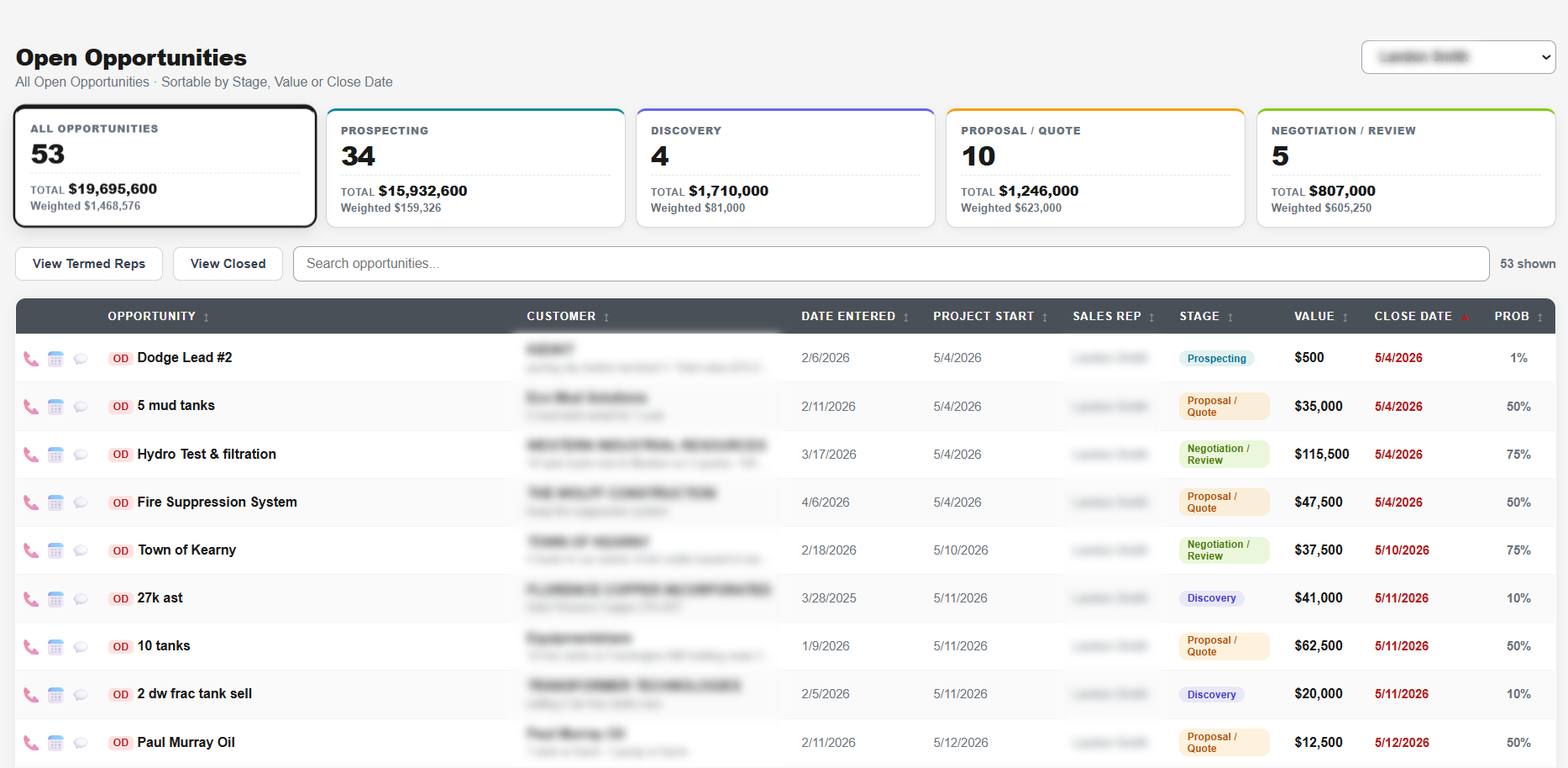
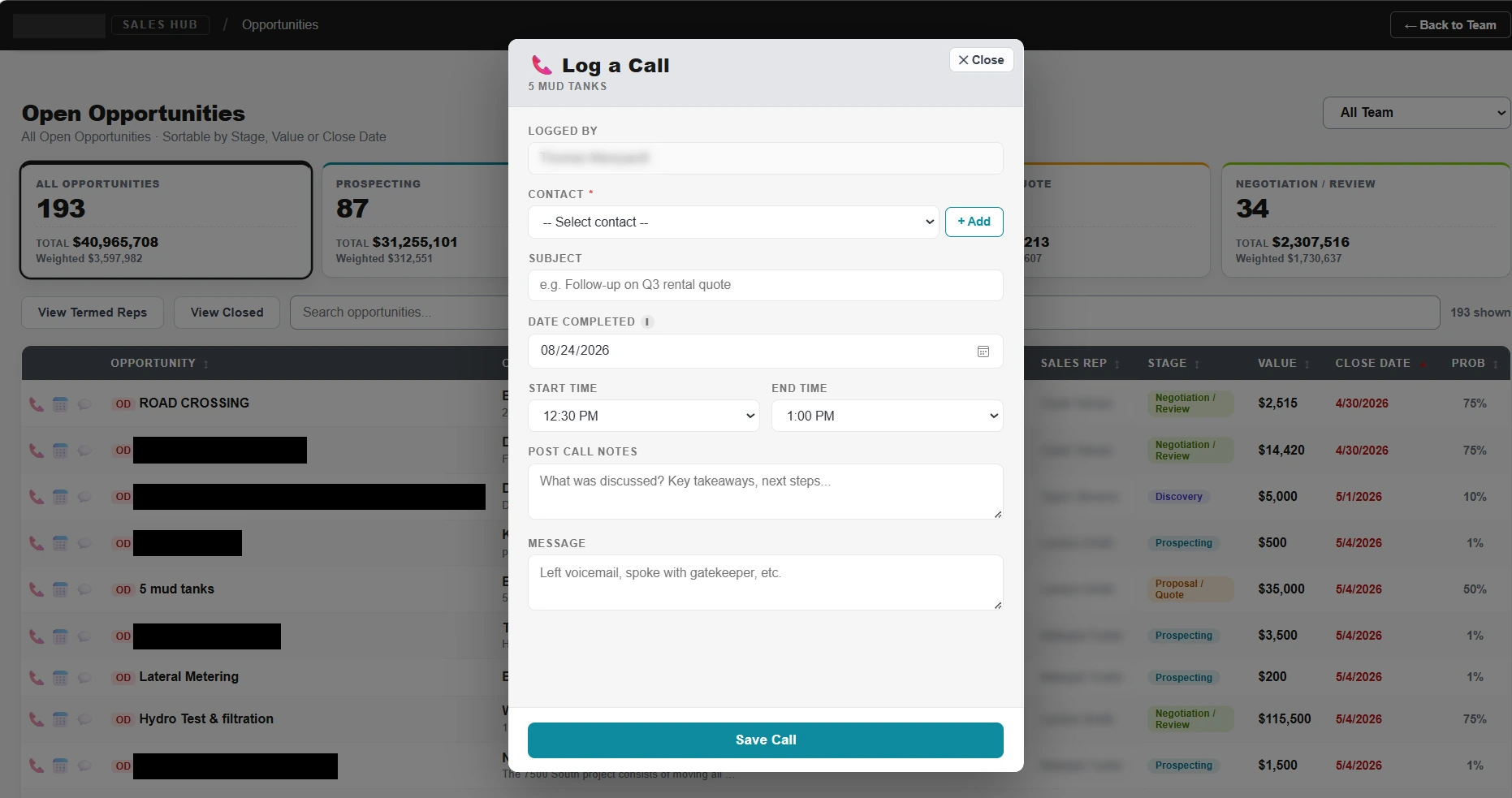
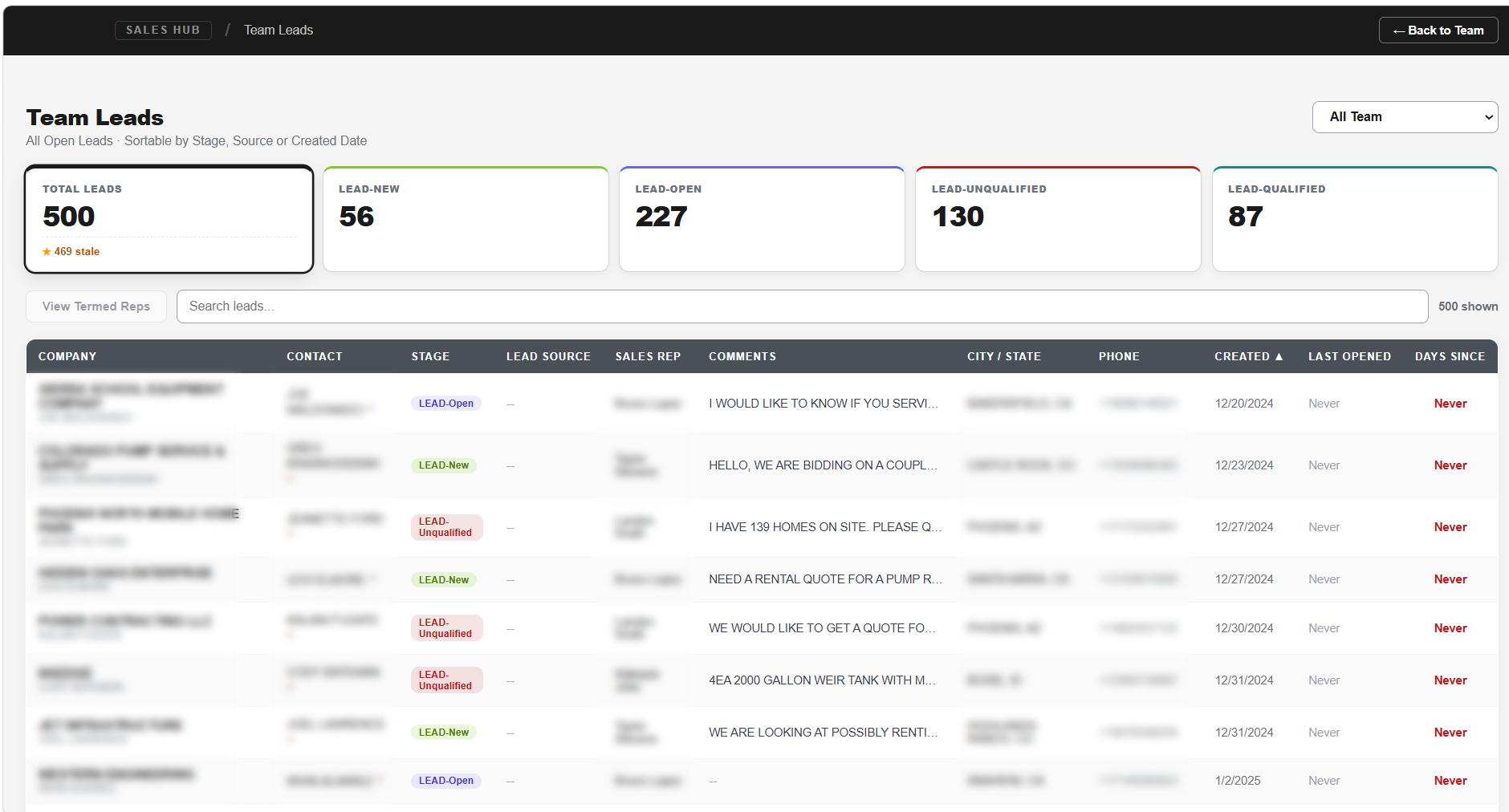
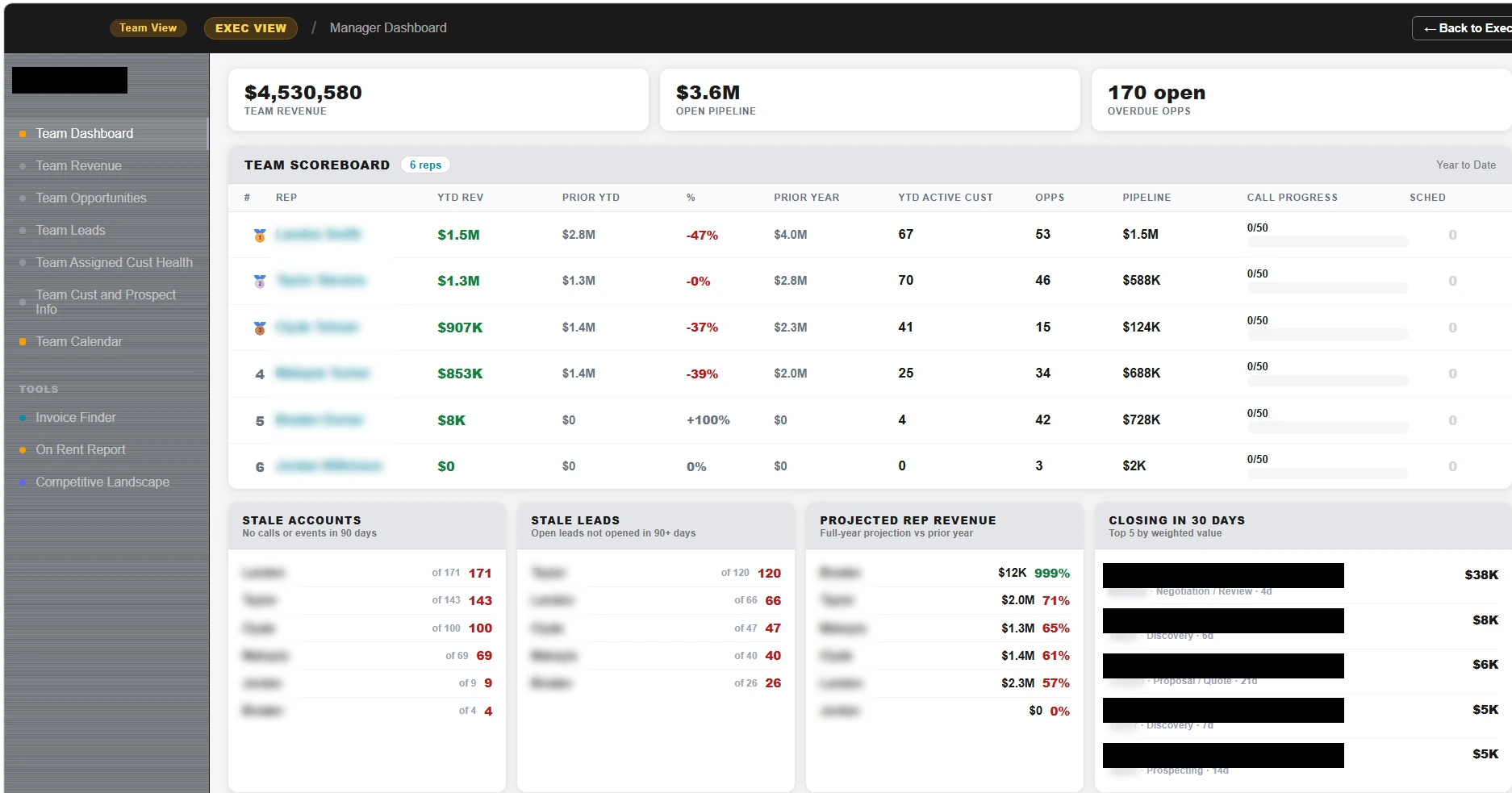
What made the story especially interesting was the client’s background. Richard, a Director of Corporate Development, had spent his first seven years managing field sales teams. He later became the business contact during an ERP implementation. He therefore understood both sides of the problem: what salespeople needed to accomplish and how business systems organize data and processes.
The original problem was not that NetSuite lacked CRM data or functionality. The problem was usability. Newer sales representatives had experience with other CRM products and found the native NetSuite experience less intuitive. Adoption suffered.
Rather than immediately proposing another CRM, Richard asked a more fundamental question: could he improve the experience while keeping the underlying NetSuite platform?
That question led to an instructive experiment with AI and to a broader idea: the right NetSuite experience may look different for different actors, at different moments, without requiring a different system of record. Marty Zigman explores this concept further in “The Right NetSuite Experience for the Right Actor at the Right Time”.
Sales managers, for example, land somewhere entirely different from their representatives, on a page organized around stale accounts, stale leads, projected revenue, and a team scoreboard.
NetSuite and the AI-Assisted Experience Layer
There is understandable excitement around AI-assisted development, sometimes described as vibe coding. Someone can describe an application, have an AI tool generate code, iterate on the result, and produce something functional in a remarkably short time.
That is real progress.
But enterprise software introduces a more important question than whether something can be built:
What makes an AI-built application successful when it sits on top of a robust business system?
In this case, three ingredients mattered.
First, business context. Richard knew the field sales process. He knew what sales representatives needed to see and which actions caused friction. He did not need to begin with a lengthy requirements exercise because he had lived the problem. We repeatedly observe that AI applications hurriedly produced without carefully understanding the business situation tend to be less successful.
Second, systems thinking. He recognized that the underlying NetSuite data model was valuable. Customer, contact, opportunity, activity, invoice, and revenue information already related to one another. The problem was the experience presented to users, not necessarily the underlying records. As the saying goes, “a well-defined problem is a problem half-solved”.
Third, platform knowledge. Richard needed to ground himself in the NetSuite platform, understanding Suitelets, script records, deployments, and related concepts to build his application. His understanding of data structures helped him work effectively with AI.
The result was what he called an “overlay” or “pane of glass” over the existing system. Instead of replacing NetSuite CRM, he created an experience tailored to the salesperson.
Routine actions happen inline. Logging a call does not require leaving the page and navigating into a native record.
This distinction is important. An experience layer that primarily presents and orchestrates existing business data has a different risk profile from an application that changes core financial or operational transactions. AI can be tremendously useful in both contexts, but the closer software gets to mutating the system of record, the greater the need for controlled architecture, testing, security, governance, and expert review.
The same underlying records can then be presented in whatever shape the moment calls for, whether that is a manager reviewing the team calendar or a field representative planning a route.
The CRM example also demonstrates why preserving the underlying platform can be strategically powerful.
Consider customer economic health. The application uses agreed-upon business rules to classify customers as active, cooling, or gone quiet based on invoice recency. Because CRM and ERP information already resides within NetSuite, the application can use actual invoicing and revenue information directly.
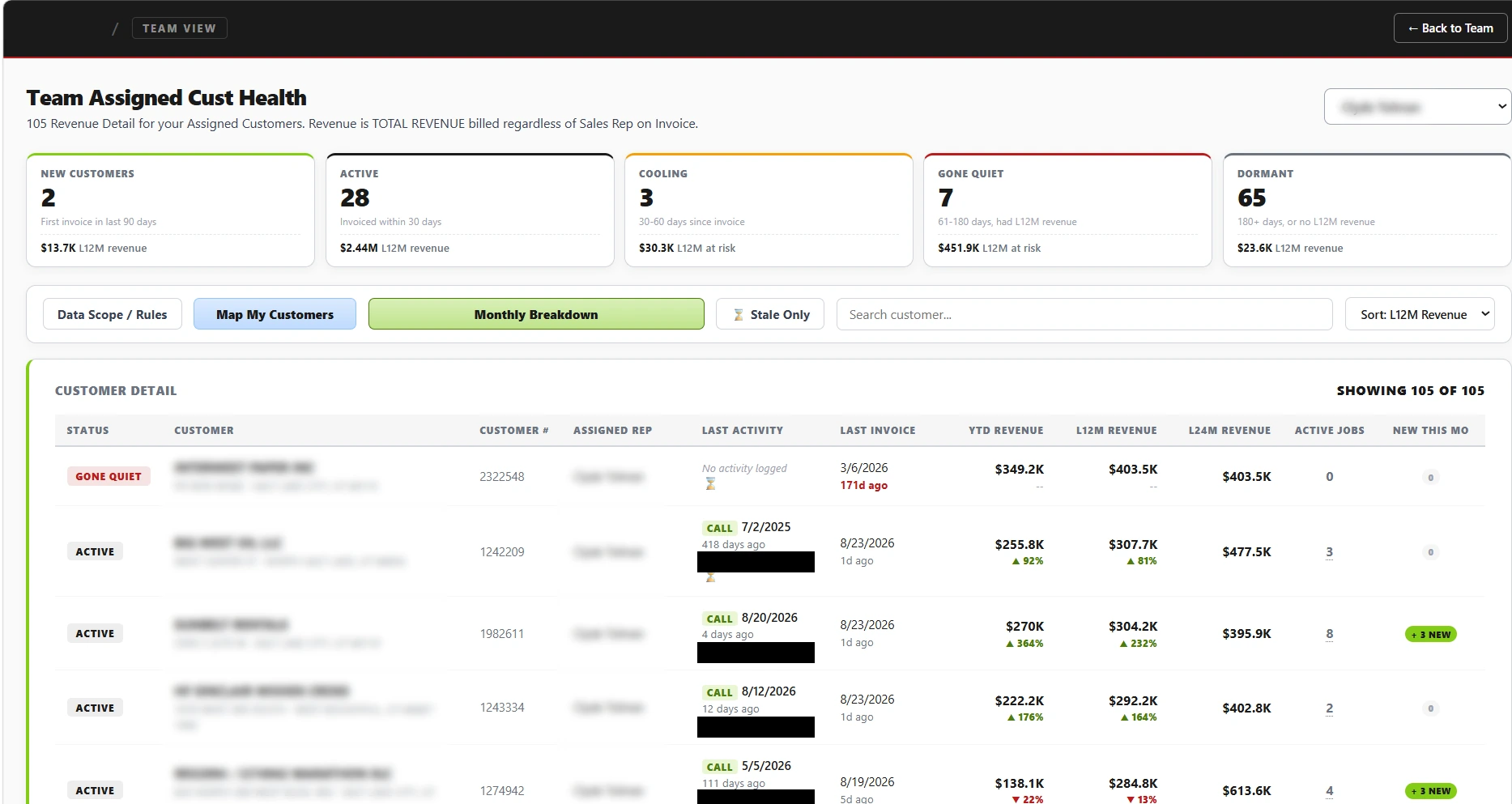
The same holds for a full customer view. Credit status, revenue, open opportunities, recent activity, and A/R aging all come from records the business already maintains.
Put that CRM in a separate system and the same insight requires integration, data transformation, synchronization, and acceptance of potential latency. The user experience may be better, but the architecture has become more complicated.
From Prototype to Production
AI can dramatically reduce the distance between an idea and a working prototype. That does not eliminate the distance between a prototype and a production application.
Richard understood this distinction.
He built the application in a sandbox and got it working. After several weeks of development, he reached the point where he wanted expert assistance before moving forward. His concern was not whether the application could display the right information. He wanted to know whether he was introducing problems elsewhere in NetSuite.
That required platform expertise.
We helped review considerations such as architecture and design principles, security, performance, general code hygiene, code version management, file and folder organization, regression testing, and the broader implications of moving the application into production. The goal was to reduce the possibility that a successful prototype would create undue technical debt or interfere with other parts of the system further down the line.
This is an important lesson for the emerging AI-augmented developer:
“It works” is an accomplishment. It is not a production standard.
A responsible developer asks what happens when permissions change, when another person inherits the application, when the volume of data increases, when a deployment is modified, or when the original author is no longer available. These are the disciplines that separate something that merely works from a serious business system, especially in an era when AI makes it easier than ever to build software quickly. Marty Zigman explores this idea further in his recent article titled “NetSuite, AI, and the Discipline of Building Serious Business Systems”.
Richard’s objective was ultimately not just to make the application work. He wanted a platform he could continue developing and eventually hand to someone else with confidence.
That is the difference between building software and building a business asset.
The Economics Have Changed
Historically, improving a CRM experience this extensively could have been expensive enough that purchasing another CRM and integrating it with NetSuite appeared attractive.
But replacing NetSuite CRM with another platform would not simply replace screens. It could introduce another database, another implementation, integration requirements, data synchronization, training, and another application to maintain.
The client’s experience changed that calculation.
AI lowered the cost of creating the experience layer sufficiently that improving the existing platform became a compelling alternative. The organization could preserve its investment in NetSuite while giving salespeople an experience better aligned with how they work.
The result was not a claim that NetSuite is the perfect CRM. Richard made the more practical observation: there may be no perfect CRM. The question is whether the system you already own can be made sufficiently useful without introducing unnecessary complexity.
Expertise Has Not Disappeared. It Has Moved.
The lesson for executives is not to slow down AI experimentation. It is almost the opposite.
Use AI aggressively where it creates leverage. Give people closest to the business the ability to prototype. Let AI reduce the cost and time required to explore ideas.
But establish a boundary between experimentation and production.
The role of the professional services firm changes in this environment. Experts may write less of the initial code than they did previously. Their value increasingly comes from helping clients model the problem, understand the platform, establish architectural boundaries, identify risks, review implementations, and turn successful experiments into maintainable systems.
Richard’s experience demonstrates that model perfectly. He did most of the initial development himself. He then recognized where his knowledge stopped and brought in NetSuite expertise to help move the application responsibly into production.
That is not AI versus professional expertise.
It is AI + business expertise + systems thinking + platform expertise.
Building Better Business Systems
The most exciting aspect of this story is not that AI helped build a CRM application. It is that AI has changed the economics of making a powerful business platform more useful.
The opportunity is especially compelling when the underlying system already contains the right data and relationships. Instead of adding another application because users dislike the interface, organizations can ask whether the experience itself should be redesigned.
That requires judgment.
For executives, the message is to encourage AI experimentation while recognizing that enterprise software carries consequences beyond the demonstration. For the emerging vibe coder, the message is equally important: take pride in getting something to work, but develop the wisdom to know what you do not yet understand.
At Prolecto, we believe the best systems integrators should help clients do exactly that. We bring business understanding, listening skills, modeling capability, NetSuite platform knowledge, and execution discipline. We also share intellectual property, algorithms, and solutions without adding a license charge simply because we created them.
The future is not about choosing between AI and experts. It is about using AI to amplify capable people while bringing expert judgment to the places where mistakes become expensive.
Don’t Replace Your Business Platform Because Users Dislike the Screens
Here’s my interview with Richard on his custom CRM overlay application. My hope is that this conversation inspires business leaders to dare to think differently and to challenge old thought patterns around build, buy, vs. ally while acting responsibly with AI. Marty Zigman’s article, “Rethinking Make vs. Buy for High Performance NetSuite Applications in the AI Era”, explores this topic in greater depth and offers some valuable perspective on how businesses can rethink their approach in an AI-driven world.
Video Demonstration and Discussion with Richard M.
If you found this article relevant, feel free to sign up for notifications of new articles as we post them. If you are ready to determine where AI can safely and economically extend your NetSuite investment, let’s have a conversation.